Affordable Deck Builder Services: Quality Solutions for Every Budget
Cost-effective deck builder services deliver practical solutions for homeowners seeking to improve their exterior areas without overspending. These professionals focus on quality and efficiency, utilizing budget-friendly materials to create durable structures. Nevertheless, grasping the complexities of deck building and the variables impacting pricing is essential. When homeowners consider their choices, they might discover that the proper selections can result in both aesthetics and practicality in their outdoor areas. What should they consider next?
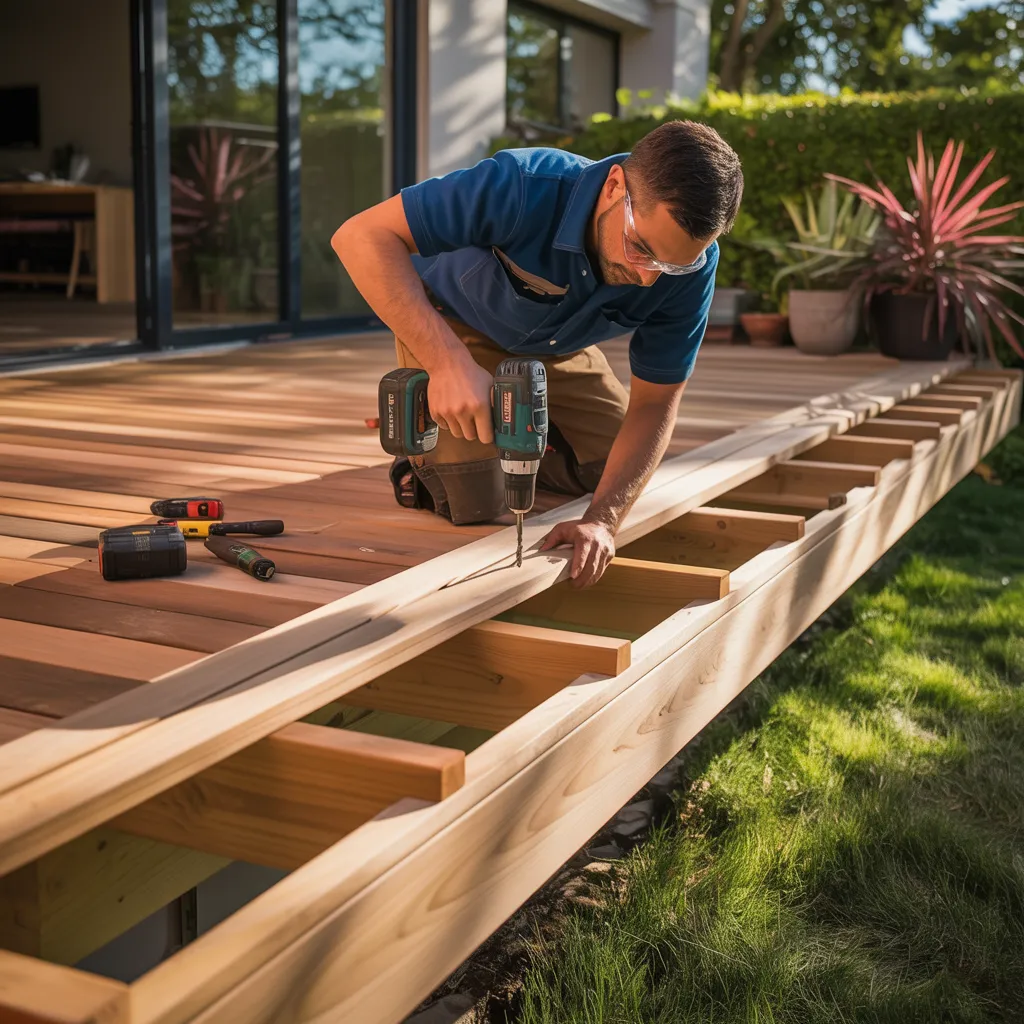
How Affordable Deck Builders Provide the Answer to High Costs
For many homeowners who dream of a gorgeous outdoor deck, the elevated expenses tied to conventional construction methods can frequently pose a challenge. Budget-friendly deck builders offer a practical answer to this challenge, offering quality craftsmanship without the hefty price tag. These professionals utilize cost-effective materials and streamlined building techniques, empowering them to achieve remarkable results while staying within budgetary boundaries.
Understanding the Cost Factors in Deck Building
In deck building, the choice of materials plays a major role in determining overall costs. Various options, from affordable composite materials to high-end hardwood materials, can determine the overall budget of the project. Furthermore, knowing the labor expenses involved is important, as they fluctuate according to the intricacy of the design and the level of expertise needed.
Material Choice Impact
Choosing the right materials is essential in determining the overall cost of deck building. Numerous materials present distinct cost levels and lifespan, affecting both upfront costs and ongoing upkeep. As an example, pressure-treated wood is often more affordable upfront but may require regular upkeep, while composite options, although costlier upfront, typically endure longer with reduced maintenance requirements. Moreover, selecting the right railing, deck thickness, and surface finishes can significantly impact expenses. Premium hardwood materials offer visual elegance but carry elevated price points. In the end, grasping the relationship between quality, longevity, and cost empowers homeowners to make well-considered choices, ensuring that their deck meets both functional and financial requirements. Material selection plays a pivotal role in achieving an affordable yet durable outdoor space.
Workforce Expenses Breakdown
Labor expenses represent a substantial share of the total cost in deck building. These costs generally encompass several factors, including the expertise and proficiency of the builders engaged. More seasoned builders may command higher fees due to their specialized knowledge, which can result in a more streamlined and exceptional outcome. Moreover, the intricacy of the deck layout can influence labor costs; complex designs necessitate more time and specialized skills. Geographic location also plays a role, as labor rates differ significantly across different regions. In addition, the length of the project affects expenses; extended project periods may result in increased labor costs. Recognizing these considerations helps homeowners plan more effectively when budgeting for their deck building projects.
Important Qualities to Consider in Deck Building Services
When searching for deck construction services, recognizing the fundamental traits of a trustworthy contractor is essential for achieving a positive outcome. To begin, experience is of paramount importance; seasoned contractors offer valuable knowledge that helps avoid frequent mistakes. Second, effective communication abilities are necessary, enabling clients to convey their requirements and stay informed during the project. Additionally, a trustworthy contractor should provide a portfolio highlighting past projects, reflecting their skill level and creative design abilities.
In addition, validating proper licensing and insurance coverage shields homeowners from possible liabilities. Openness in pricing matters as well; a reputable contractor delivers transparent estimates and discloses any additional charges beforehand. Finally, favorable customer reviews and testimonials demonstrate a contractor's dependability and work quality. By focusing on these qualities, homeowners are able to make well-informed choices, making certain that their deck-building project is carried out successfully and fulfills their requirements.
Choose Cost-Effective Materials for Your Deck
When choosing materials for a deck, homeowners frequently encounter the dilemma between composite and traditional wood materials. Understanding the benefits and drawbacks of each can lead to more economical decisions. Considering different affordable options is important for building a attractive and sturdy outdoor space while staying within budget.
Composite vs. Wood Alternatives
Picking the best materials for a deck can significantly affect both its longevity and overall cost. Composite decking, made from a blend of wood fibers and plastic, offers a minimal upkeep solution to traditional wood. It is resistant to rot, splintering, and insect damage, making it an desirable solution for many homeowners. However, composite products can be more expensive upfront.
By comparison, wood options, such as treated lumber or cedar wood, provide a classic aesthetic and can be more affordable initially. However, they typically demand greater upkeep, including staining and sealing, to prolong their lifespan. At the end of the day, the choice between composite and timber alternatives rests on a homeowner's available budget, preferred aesthetic, and willingness to invest time in upkeep.
Cost-Effective Material Options
Discovering affordable material selections for a deck can considerably affect both upfront expenses and lasting contentment. Those looking for budget-conscious alternatives often turn to pressure-treated wood, which is cost-effective and offers durability with proper maintenance. Another worthwhile alternative is composite decking, which, while slightly pricier upfront, offers lasting performance and reduced maintenance needs. Vinyl decking is also growing in demand due to its durability against the elements and insects, making it a sensible, easy-care choice. Additionally, reclaimed wood can be both affordable and environmentally friendly, offering unique character to a deck. By strategically picking these materials, homeowners can align visual appeal with affordability, ensuring a rewarding outdoor area that endures over the years without straining finances.
Customization vs. Standard Designs: Which Fits Your Budget?
How do homeowners figure out whether customization or standard essential guide designs align best with their budget? This choice frequently depends on individual preferences and financial limitations. Standard designs commonly present economical solutions, since they take advantage of existing templates and materials. Homeowners can select from a range of established styles, ensuring quicker installation and reduced labor costs.
On the other hand, customization allows for a unique appeal, matching the deck to distinct preferences and targeted demands. That said, this frequently involves additional costs, as it involves custom materials and elaborate designs that can significantly raise costs.
To arrive at a well-informed decision, homeowners should assess their budget, weighing both immediate costs and future value. Evaluating how much they are willing to invest in aesthetics versus practicality can lead to a balanced decision. In the end, recognizing the distinctions between conventional and personalized alternatives is necessary for building a deck that fulfills both personal preferences and monetary limitations.
Finding Trustworthy Deck Builders in Your Area
When seeking out reputable deck contractors nearby, homeowners frequently ask which essential factors determine quality and reliability. One important consideration is credential verification; trustworthy builders usually maintain necessary licenses and insurance, offering peace of mind against potential liabilities. Feedback and testimonials from past clients can also provide valuable insights regarding a builder's craftsmanship and work ethic.
In addition, a straightforward communication style is fundamental. Reliable builders take the time to listen to client needs and describe the project requirements in detail. Getting recommendations from family or close friends can also lead to credible options, as individual accounts commonly demonstrate a builder's level of expertise.
Additionally, requesting several quotes can help homeowners review services and determine professionalism. By considering these criteria, homeowners can successfully choose a deck builder who meets their expectations and guarantees a successful project outcome.
Managing Your Deck Project Budget
Creating a budget for a deck construction project demands thorough preparation to make certain that costs align with expectations and financial capabilities. Property owners should first define their complete budget, factoring in both material and labor expenses. Investigating a range of decking materials, including wood, composite, or vinyl options, will be useful in determining cost-effective options that suit personal preferences and long-term goals.
Additionally, obtaining several estimates from local deck builders can provide insight into installation costs and assist in finding qualified experts. Homeowners should also factor in other expenditures, including required permits, architectural fees, and possible yard modifications.
Allocating a emergency fund for unexpected costs is crucial, as unanticipated challenges can emerge during construction. By methodically reviewing these elements, property owners can establish a sensible spending plan that enables them to realize their perfect deck without financial strain, securing a positive outcome from start to finish.
Essential Tips for Maintaining Your Deck and Maximizing Its Value
Consistent care is vital for protecting the integrity of a deck once the investment has been completed. Regular cleaning is vital; clearing away debris and cleaning the surface works to prevent mold and blemishes. Homeowners need to check the deck for evidence of damage, such as weakened planks or corroded nails, resolving these problems quickly to prevent expensive fixes. Applying a sealant every few years protects the wood from moisture and UV damage, increasing its longevity.
Furthermore, ensuring proper drainage around the deck prevents water accumulation, which can cause wood rot. During winter, eliminating snow and ice buildup is necessary to lessen strain on the deck. Finally, applying furniture pads helps prevent scratches and dents from patio furniture. By following these tips, homeowners can maintain their decks effectively, guaranteeing both visual appeal and long-term financial value are preserved.

Frequently Asked Questions
Which Deck Types Are the Most Cost-Effective to Build?
Wood decking, especially treated lumber, are often the most affordable option. Vinyl and composite materials can be pricier initially but can reduce expenses over time because of minimal maintenance demands and greater longevity.
What Is the Average Duration of a Deck Building Project?
A common deck installation undertaking generally takes one to three weeks, depending on considerations like size, materials, and weather conditions. Efficient planning and skilled labor can help expedite the process considerably.
Are Permits Required for Deck Construction?
Building permits are generally necessary for deck construction, according to local regulations. Residents should reach out to their city or county office to identify the exact requirements, securing proper approval and preventing potential complications during the building process.
Can I Construct My Own Deck to Save Some Money?
Yes, homeowners can take on deck construction to reduce costs, given that they have the required skills and knowledge. However, they need to have a clear grasp of local building codes, confirm structural safety, and factor in the likelihood of long-term upkeep expenses.
What Types of Warranties Do Deck Builders Usually Provide?
Deck contractors commonly provide warranties that cover materials and workmanship, typically spanning one to ten years. Many professionals also extend extended warranties for specific products, providing coverage against manufacturing defects and boosting client trust in their workmanship.